Best Food Guide – What to Eat When: A Strategic Plan Review

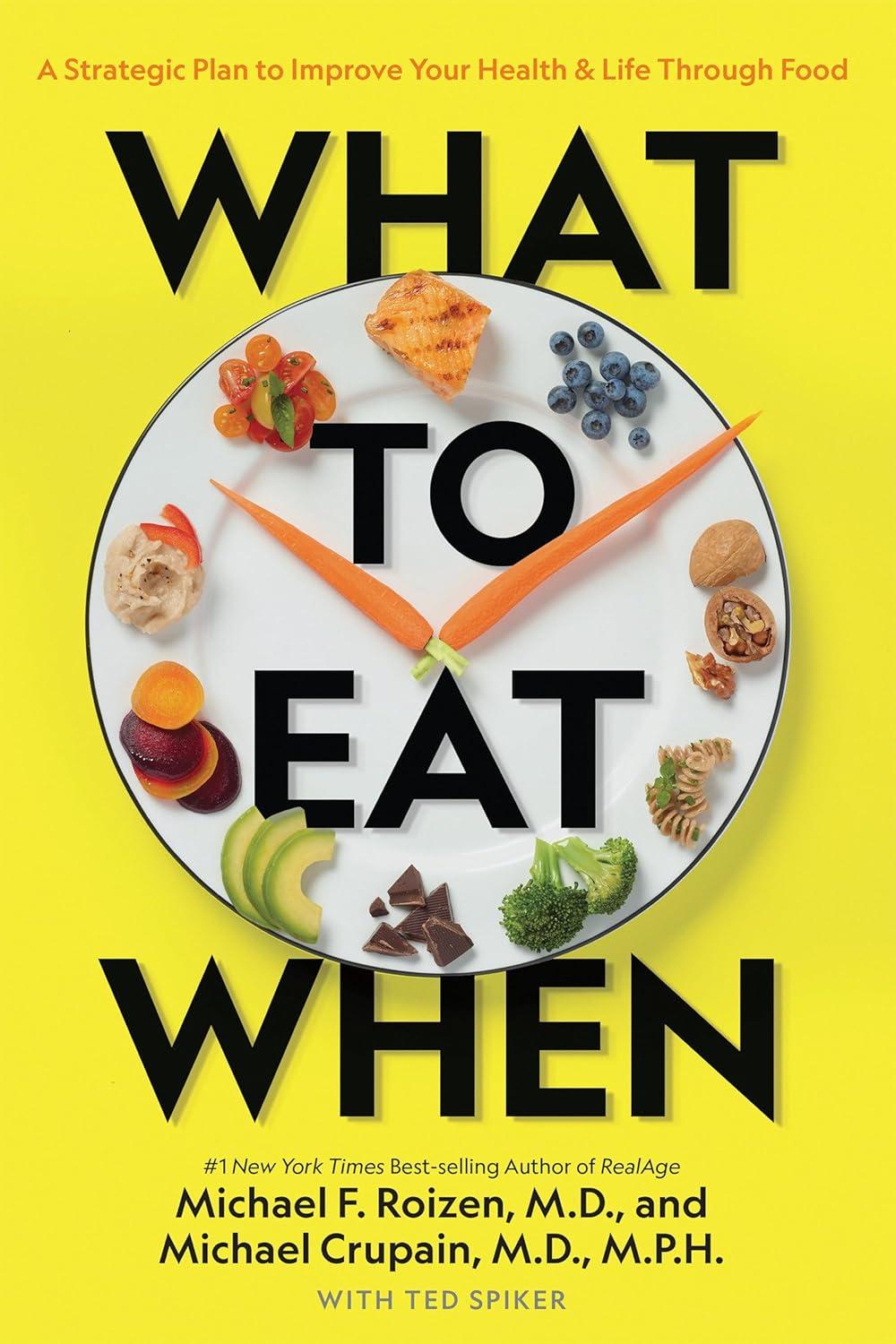
Welcome to our latest exploration in the world of health and nutrition! Today, we’re diving into “What to Eat When: A strategic Plan to Improve Your Health and Life Through Food,” a thought-provoking book by NY Times best-selling author Dr. michael Roizen. As we navigate the complexities of modern diets and conflicting health advice,this guide stands out for its unique perspective on not just what we eat,but when we eat it.
From blueberries that may help prevent cancer to the optimal moment to indulge in a chocolate chip cookie, this book challenges us to rethink our food choices in a way that is genuinely transformative. Dr. Roizen, along with preventive medicine specialist Dr.Michael Crupain, emphasizes that the timing of our food intake can be as crucial as the foods we select, offering insights that aim to enhance our everyday lives.
In this review, we’ll share our firsthand experiences with the strategies outlined in the book and evaluate how these choices have impacted our well-being, energy levels, and even our attitudes. Join us as we unpack the science behind these food decisions and explore whether “What to Eat When” offers practical, actionable steps that can truly lead us to a healthier and more vibrant life.Let’s find out together!
Table of contents
Our Journey into the World of Strategic Eating

When we first stumbled upon the concept of strategic eating, we were more than intrigued. The idea that timing our food choices could considerably influence our wellbeing felt like a hidden treasure.The book promises to guide us through making better food choices and understanding the “when” alongside the “what”-an exciting combination that we couldn’t wait to dive into.
The authors present a wealth of knowledge in a manner that feels relatable and down-to-earth. It’s approachable for anyone curious about how food affects health and daily vitality.This book combines research and personal anecdotes to illustrate how strategically planning what and when to eat can enhance our lives. We love that it’s not about restrictive dieting but rather about making mindful adjustments that seem easy to sustain in the long run.
What struck us was the practical approach. as we started reading, we found many insights resonating with our daily routines. Simple yet frequently enough overlooked tips about eating earlier in the day or making straightforward alterations to our snack choices felt refreshingly actionable. it was shocking how often we overlook these recommendations simply because they seem too obvious to be effective!
We were particularly impressed by the references to peer-reviewed research. It became clear that this isn’t just a bundle of opinions; it’s grounded in scientific evidence that supports the recommended changes in our dietary habits. This makes us feel more confident in implementing the strategies shared in the book, ensuring that our journey towards healthier eating is as informed as it is exciting.
As we continue on this path of strategic eating, we find ourselves not merely flipping through the book but engaging with its content.We’re learning to view our meals as opportunities rather than restrictions-and that, by itself, feels like a notable leap. If you’re looking for practical ways to enhance your health through food, this guide is a path worth exploring.

Exploring the unique Features of What to Eat When
What an amazing journey we embark on when we dive into “What to Eat When.” This book isn’t just about meal planning; it’s a roadmap to healthier lives through the food choices we make daily, and more importantly, when we make them. The authors, Dr. Michael Roizen and Dr. Michael Crupain, take us beyond simple dietary advice. They craft a narrative that weaves together scientific research with practical applications, making it feel more like a conversation with friends rather than another clinical manual.
One standout feature of this guide is its focus on the timing of our meals. It brings to light the concept of our body’s circadian rhythm and how it affects digestion and metabolism. For instance, the authors suggest that our bodies are primed to process certain types of foods at specific times.It’s interesting to think that eating two cups of blueberries every day can perhaps prevent cancer. That’s not just a snippet; it’s a game changer. with relatable examples and references to well-sourced research, we feel reassured that we can trust this information in a world filled with conflicting dietary advice.
Another aspect we appreciate is the actionable advice sprinkled throughout the book. It helps us rethink when to eat certain foods and how they can impact various aspects of our lives, from our energy levels to our mood. As a notable example,the idea of eating most of our calories at breakfast and lunch before tapering off at dinner makes us reconsider our routine. These suggestions come with a gentle nudge to make gradual changes rather than overhaul our entire lifestyle overnight. This makes it easier to stick with our new habits and see real, lasting benefits.
The practical tips don’t stop there. the authors provide specific meal ideas and what to consume in varying scenarios-like pre-interview snacks or party food suggestions. This is where the book shines for us; it meets us where we are.Even if we’re resistant to completely vegetarian choices, there’s still valuable insight that can be adapted to our personal preferences. The authors strike a balance between emphasizing essential food choices and allowing us the freedom to enjoy what we love. together, we can navigate through the complexities of eating and make informed decisions that lead to healthier lives, one meal at a time.
Unpacking the Science Behind Food Timing and Health
When diving into “What to Eat When,” we embark on a journey that blends knowledge of nutrition with the intriguing science of timing. This book teaches us about the powerful relationship between the foods we consume and the timing of our meals. Understanding the science behind food timing isn’t just another trend; it is indeed a roadmap to improving our overall health and well-being. By shifting our focus to not only what we eat but also when we eat, we can unlock new dimensions of our health that we may not have considered before.
One of the most exciting elements is how the authors break down the concept of circadian rhythms and its impact on our dietary habits. Research suggests that aligning our eating schedules with our body’s natural clock can significantly improve energy levels, mood, and even weight management.As an example, eating most of our daily calories earlier in the day can lead to better digestion and nutrient absorption. This insight from the book has us reconsidering our typical meal patterns, especially in a society that often prioritizes late-night dining.
The recommendations in “What to Eat When” are not just filled with academic jargon; they are presented in an engaging and accessible way. The authors share their personal experiences while incorporating evidence-based research, making the material easy to digest. They emphasize practical changes that can seamlessly fit into our daily lives. Instead of overwhelming us with drastic changes, the book encourages gradual adjustments. This strategy is essential for sustainable lifestyle improvements, making us more likely to stick with these new habits in the long term.
We also appreciate the well-researched claims regarding specific foods and their timing. From how consuming fruits can influence our health to strategic snack choices for heightened alertness during vital activities, the book provides fascinating insights. the focus on preventive measures-like eating blueberries to combat disease or adjusting our hydration habits-makes the science feel relevant to our lives. It’s not just about adhering to strict diets but rather about making informed choices based on compelling scientific evidence.
Ultimately, this book sparks an important conversation about how we can harness the science of food timing for our benefit. Whether addressing our energy levels, mental clarity, or nutritional needs, the insights within its pages are invaluable. As we explore these practices, we may find ourselves not just changing our eating schedules but also enhancing our overall quality of life.With a blend of practical advice and robust science, “What to Eat When” definitely sets the stage for a healthier lifestyle.
Sharing Our Favorite meal Plans and Recipes
is a fun way to explore healthier eating habits. We recently dove into “What to Eat when: A Strategic Plan to Improve Your Health and Life Through Food,” and it has truly opened our eyes to the importance of timing as well as choices. The beauty of this book lies in its user-friendly approach. It combines recent research with practical advice on when to eat. The emphasis on proper timing for food intake makes it a unique addition to our health and wellness library.
As we sifted through the tips and meal suggestions, we found that the book is not just about restricting what we eat. It encourages us to think strategically about when we eat certain foods to maximize their benefits. For example, we learned that having fruit earlier in the day can be more beneficial for energy levels. This was a game-changer for our morning routines. We started incorporating more nutrient-dense foods like blueberries in our breakfasts and noticed a positive impact on our energy and overall productivity.
The meal plans provided are practical and flexible, catering to different lifestyles.We noticed many recipes require simple preparations and ingredients that are easy to find. This makes it doable for us to implement in our daily lives without drastic changes.Even for busy weeknights, we appreciated advice like trying to eat the bulk of our calories by afternoon. This approach didn’t just feel like another diet but a manageable lifestyle change that fits into our schedules.
One of the standout features of “What to Eat When” is how it conveys a sense of balance.It’s not about perfection or strict adherence; rather, it promotes a healthier relationship with food. we particularly enjoyed the section on eating during social gatherings and special occasions, which takes the pressure off making choices that align with our health goals without sacrificing enjoyment. Having tips for when to indulge made it easier to navigate festive meals.
this book has helped us to reshape our perspectives on what we eat and when we eat it. If you’re looking for a straightforward guide to enhance your health through food, we highly recommend it. Ready to dive into this transformative journey? Check the current pricing below:
Reflecting on the impact of Our new Eating Habits
can feel like a journey of self-discovery. As we dive into the insights from “What to Eat When,” we’ve realized just how much the timing and choices of our meals can affect not only our health but our overall quality of life. It’s fascinating to think about how our daily eating patterns can influence energy levels, mood, and even the aging process. By implementing the information from this book,we’ve begun to notice a shift in how we feel day to day.
One of the standout points from our experiences is the importance of aligning our eating times with our body’s natural rhythms. This strategic approach to food isn’t just about calorie counting or restrictive diets; it’s about creating a balance that nurtures our bodies.We now find ourselves planning meals that are rich in nutrients and tasty, all while being more conscious of when we eat. This mindfulness has encouraged us to savor our meals, leading to a more enjoyable and fulfilling eating experience.additionally,we’re starting to see the benefits of practical strategies outlined in the book. By choosing when to eat certain foods,we’ve experienced increased energy and better mental clarity. It’s no longer about putting our health on the back burner or chasing after the latest food trends. Instead, we’re focusing on a lifestyle that embraces nutritious choices, and the results have been genuinely rewarding.This isn’t just a temporary fix for us; it feels like we’re building a healthier future together.
As we continue to experiment and adjust our habits,it’s clear that adopting these new eating patterns is both empowering and enlightening. We’re learning to listen to our bodies and understand what they need. There’s a sense of community in sharing these changes, as we relate to each other and learn more about our health. From our meals influenced by the insights of “What to Eat When,” we’ve begun a path towards not just living longer but living better.
Customer Reviews Analysis
Customer Reviews Analysis
In our exploration of “What to Eat When: A Strategic Plan to Improve Your Health and Life Through Food,” we’ve gathered a plethora of customer opinions that paint a rich picture of what readers think about this guide. From the excited endorsements to the critical eye rolls, the feedback provides a balanced view on the book’s effectiveness and practicality. Let’s dive into some key themes and insights drawn from the reviews.
Key Highlights
- Practical and Accessible: many readers appreciate the book’s straightforward approach to improving eating habits. The emphasis on making gradual changes rather than drastic lifestyle shifts resonates with a lot of us, making it a sustainable choice for long-term health.
- Research-Backed Advice: A notable number of reviews highlight the authors’ efforts to ground their recommendations in peer-reviewed studies, lending credibility to the advice provided.
- In-depth Food Timing Strategies: While some readers are familiar with the “what” of healthy eating, the book’s exploration of “when” to eat has been particularly noted as an area of emerging interest and importance.
Mixed Reactions
However, the feedback isn’t unanimously positive. A few critiques stand out:
- Perceived Simplicity: Some readers felt the book offered little new information, focusing rather on well-known advice that they considered common sense.
- Lack of Recipes: A number of reviewers expressed disappointment over the absence of recipes, indicating a desire for more actionable cooking strategies alongside the timing recommendations.
- Personal Preferences: Certain comments reflect individual dietary preferences,with some readers noting that the vegetarian-focused approach may not suit everyone.
Summary of Consumer sentiment
| Review Aspect | Positive Sentiment | Negative Sentiment |
|---|---|---|
| Accessibility of Information | Easy to read; practical tips | Too simplistic for experienced readers |
| Scientific Basis | Research-backed advice | Some outdated content |
| Content Type | Focus on food timing | Lack of recipes; dietary biases |
final Thoughts
“What to Eat When” has captivated a diverse audience with its blend of science, practicality, and advocacy for a more mindful approach to eating.While certainly not without its critiques, the book has earned its share of praise as a transformative guide for those eager to enhance their relationship with food. Whether we’re seasoned dieters or just starting to explore healthier habits, there appears to be valuable insights for just about everyone. As with any health-related guide, our experience may vary, and what works for one may not work for all. Nonetheless, the conversation around dietary choices continues, inviting further reflection and discovery.
Pros & Cons
Pros & Cons
As we delve into the world of “What to Eat When: A Strategic Plan to Improve Your Health and Life through Food,” it’s essential for us to weigh the benefits and drawbacks of this unique guide. Here’s what we found:
| Pros | cons |
|---|---|
| science-Backed Insights: The book is grounded in scientific research, offering strategies that can genuinely enhance our health. | Not a Diet Book: Some readers may be looking for strictly diet-focused content, which this book does not provide. |
| Holistic Approach: It covers not just what we eat but also when we eat, promoting a extensive understanding of wellness. | Complexity in Implementation: The timing strategies can be complex to adhere to for some of us in busy lifestyles. |
| diverse Topics: The discussions range from aging and energy levels to enhancing mood, making it relevant for a wide audience. | limited Recipes: While it offers food choices, it may lack the variety of recipes some culinary enthusiasts want. |
| Engaging Writing Style: Dr.Roizen’s engaging narrative makes the science accessible and enjoyable, encouraging us to learn. | subjective Effectiveness: Results can vary, and some strategies may not work the same way for everyone. |
“What to Eat When” has a lot to offer for those of us who are curious about the intersection of food and health. While certain aspects may not cater to everyone’s needs, the wealth of information and evidence-based strategies make it a valuable resource on our journey toward better health.
Q&A
Q&A Section: “”
Q1: What is the core message of “What to Eat When”?
A1: The core message of this book revolves around the idea that not only the type of food we eat but also the timing of our meals significantly influences our health,energy levels,and overall quality of life. Dr. Michael Roizen and Dr. Michael Crupain emphasize making strategic food choices that align with our body’s natural rhythms to maximize benefits and longevity.
Q2: Is “What to Eat When” a diet book?
A2: No, it’s not a diet book in the conventional sense. Instead of prescribing restrictive diets, this guide offers insights and research-backed suggestions for food choices that enhance our well-being and vitality. It focuses on nourishing our bodies through smart eating practices rather than counting calories.
Q3: Can we really prevent diseases through our food choices?
A3: The authors certainly advocate that we can significantly lower our risk for diseases through mindful food choices. As an example, incorporating antioxidant-rich foods like blueberries can be beneficial for our health. While it’s not a guarantee for disease prevention, their recommendations are grounded in scientific research that supports the positive impact of specific foods on our health.
Q4: Are the meal suggestions practical and easy to follow?
A4: We found that many of the meal suggestions in “what to eat When” are quite practical. The book provides a variety of options that can easily fit into our daily lives, making it accessible for everyone from busy professionals to families.The authors encourage flexibility, allowing us to tailor their suggestions to our preferences and lifestyles.
Q5: What makes this book different from other nutrition guides we’ve read?
A5: One of the standout features of this book is its focus on the timing of food consumption in relation to our daily activities and biological cycles. While many nutrition guides concentrate solely on what to eat, “What to Eat When” expands the conversation to “when” we should be eating certain foods for optimal benefits. This unique perspective adds an entirely new dimension to our understanding of nutrition.
Q6: How can we apply the knowledge from this book in our daily lives?
A6: Applying the concepts from “What to Eat When” is all about integrating small changes into our routines. We can start by planning our meals based on the timing suggestions offered by the authors, optimizing our eating patterns during the day to align with our energy levels and natural metabolism. Even simple adjustments like choosing snacks wisely or timing our larger meals can lead to significant improvements in how we feel and function.
Q7: What have readers thought about the book?
A7: The reception of the book has generally been positive, with an average rating of 4.2 stars from readers. Many appreciate the practical advice and scientific backing provided by the authors. However,as with any guide,some readers may find that not every suggestion fits their personal preferences or lifestyle,which is an important factor to consider when exploring the book.
Q8: Is there a takeaway we can share with others about this book?
A8: absolutely! A key takeaway from “What to Eat When” is that our food choices and their timing can profoundly affect our health and quality of life. By being more intentional about what we eat and when we eat it,we can enhance our energy,well-being,and even our longevity-an empowering message that encourages us all to take charge of our nutrition!
Discover the Power
As we wrap up our exploration of “What to Eat When: A Strategic Plan to Improve Your Health and Life Through Food,” it’s clear that this guide offers more than just dietary recommendations. Dr. Michael Roizen and Dr. Michael Crupain skillfully bridge the gap between food and health in a way that empowers us to make informed choices that can enhance our lives both personally and professionally. With practical insights, they illuminate the impact of our daily eating habits-not just on our bodies, but on our energy levels, longevity, and overall quality of life.
Navigating the world of nutrition can often feel overwhelming, but with the strategies outlined in this book, we gain a clearer understanding of how and when to eat for maximum benefit. This isn’t just about managing our waistlines; it’s about enriching our lives and potentially extending them.
If you’re ready to transform your relationship with food and unlock the nutritional secrets that can elevate your well-being, we invite you to delve into this thought-provoking guide.Let’s take the step toward a healthier, more vibrant life together!
To discover how to make food work for you, check out “What to Eat When” here: Discover What to Eat When.
