Best Nutritional Cookbooks – Run Fast. Eat Slow.: Nourishing Recipes for Athletes: A Cookbook Review

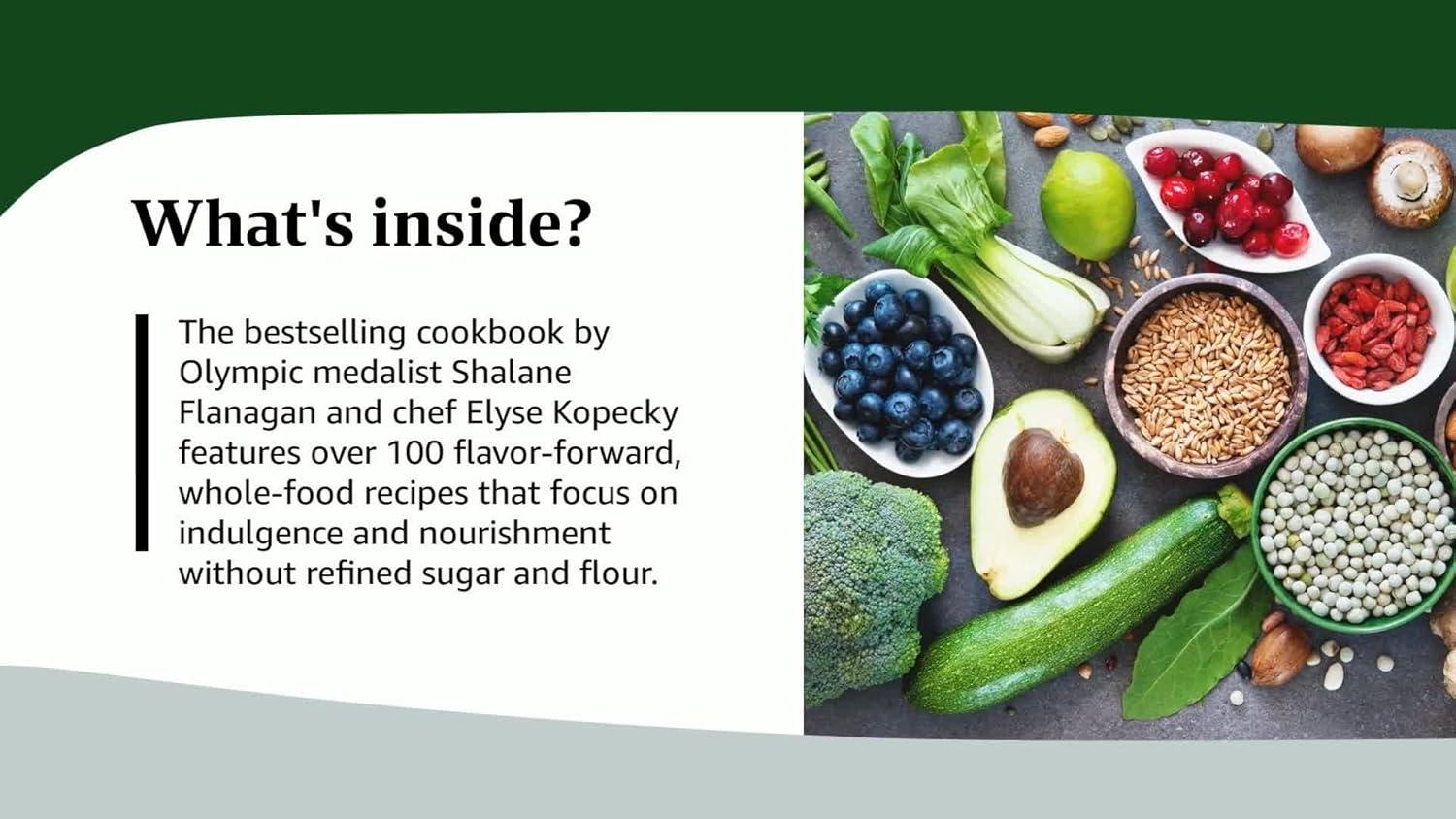
Welcome to our kitchen, where science meets flavour and every meal tells a story of dedication and nourishment. Today, we’re diving into a book that has truly transformed the way we approach fueling our runs and our lives: Run Fast. Eat slow.: Nourishing Recipes for Athletes. Authored by the legendary marathoner Shalane Flanagan and chef Elyse Kopecky, this New york Times bestseller isn’t just a cookbook-it’s a comprehensive guide that champions a balanced, joyful approach to eating for performance and pleasure alike.
Having spent time uncovering its pages and trying out its recipes, we can confidently say that this book offers more than just fuel; it provides inspiration. With a diverse array of delicious,nutrient-dense dishes-from smoothies to savory snacks and wholesome treats-it proves that nourishing food can be indulgent without guilt.Whether you’re a seasoned runner, a weekend athlete, or simply someone who appreciates vibrant, healthful meals, Run Fast. Eat Slow. has something to offer. Join us as we explore how this cookbook has rekindled our love for real food, balanced nutrition, and the joy of eating well in every stage of our training journey.
Table of Contents
Discovering the Heart of the Cookbook Our Journey Through Nutritious Athlete-Friendly Recipes

When we first dove into “Run Fast. Eat Slow.: Nourishing Recipes for Athletes,” it was clear this book isn’t just another collection of meal ideas-it’s a genuine celebration of smart, satisfying eating tailored specifically for runners and active individuals. The core focus is on how real, whole foods can fuel performance without sacrificing flavor or enjoyment. From the very first page, we felt inspired to rethink what healthy eating really means, especially for those of us who crave hearty, nourishing meals that support our training goals. The book emphasizes the importance of fats, healthy carbs, and protein, all while promoting a balanced approach that avoids restrictive dieting.
As we explored the pages, we discovered that the recipes go far beyond basic fare-they are thoughtfully crafted to be both athlete-friendly and delicious. The nutritional wisdom shared throughout demystifies many common myths about dieting and performance, making us more confident in choosing foods that truly benefit our bodies. We loved how the authors, a world-class marathoner and a talented chef, blend personal stories with practical tips, creating a sense of community and motivation. Each recipe,whether it’s the energizing Can’t Beet Me Smoothie or the satisfying Kale Radicchio Salad with Farro,exemplifies the idea that food can be both indulgent and nourishing simultaneously occurring. This book really helped us see that fueling our training isn’t about restriction-it’s about creating a sustainable, joyful relationship with food that supports our athletic goals.
Unpacking the Unique Features That Make This Book Stand Out

What truly sets “Run Fast. Eat Slow.” apart is how it seamlessly combines nutritious eating with athletic performance insights, all wrapped up in a warm, approachable package. Instead of typical diet rules or restrictive meal plans, this cookbook offers a fresh perspective: food should fuel our bodies and satisfy our taste buds at the same time.The authors, Shalane flanagan and Elyse Kopecky, create a perfect harmony of flavor-forward recipes that thrive on wholesome ingredients without sacrificing indulgence. From smoothies to savory mains,each dish is crafted to support runners and active lifestyles,making it more than just a cookbook-it’s a lifestyle guide.
One of the standout features is the incorporation of nutritional wisdom tailored specifically for athletes. The recipes emphasize fats as essential for performance, highlighting ingredients like nuts, avocados, and oils that many conventional diets might shy away from. This innovative approach challenges traditional calorie-counting and instead encourages us to focus on nourishment and energy. The 52-week meal planner and journal further elevate its unique appeal, allowing us to track our progress, plan meals ahead, and stay motivated.Plus, the stories and insights sprinkled throughout add a personal touch that inspires us to make healthier, more mindful choices without feeling deprived.
another feature worth mentioning is the diverse range of recipes suited for every part of our day. Whether it’s a speedy energizing breakfast, a satisfying lunch, or a recovery snack, each recipe is designed with athletic performance in mind. The high-quality ingredients, like the innovative use of vegetables and whole grains, make these meals accessible and easy to prepare. the absence of refined sugar and flour also targets those seeking a cleaner diet without sacrificing taste or satisfaction. The thoughtful combination of nutritional science and culinary creativity makes “Run Fast. Eat Slow.” a standout resource for any runner or active person aiming to nourish their body with flavorful, healthful food that performs as good as it tastes.
Delving into Practical Tips and Insights for Incorporating These Recipes into Our Routines
Integrating the nourishing recipes from “Run Fast. Eat Slow.: Nourishing Recipes for Athletes” into our daily routines can be truly transformative. The key is to start small and build habits gradually. Such as, we can plan our week around preparing a couple of these recipes, like the energizing Superhero Muffins or the satisfying Kale Radicchio Salad with Farro, making them part of our regular meal prep. Setting aside dedicated time each Sunday or evening to batch cook can streamline the week ahead, ensuring nutritious meals are always on hand. Using a meal planner not only keeps us organized but also inspires us to experiment with flavors and ingredients from the cookbook, keeping our routines fresh and exciting.
It’s also beneficial to embrace the mindset presented in the book-food can be both indulgent and nourishing without guilt. Incorporating recipes that rely on whole foods, like nuts, seeds, fresh vegetables, and wholesome grains, can enhance our energy levels and support our athletic goals. We recommend starting with lighter recipes, like smoothies or salads, and gradually moving toward more complex dishes, such as the High-Altitude Bison meatballs or teff Cookies. Additionally, preparing snacks and drinks in advance can save us time and keep us from reaching for less healthy options when hunger strikes. Using the cookbook as a guide, we can develop simple food preparation routines that align with our training schedules and personal preferences.
Adapting these recipes to fit our specific routines involves making small but consistent tweaks. For instance, if mornings are busy, preparing overnight oats or smoothies the night before can make a significant difference. Similarly, incorporating nutrient-dense ingredients-like adding avocado or nuts to our meals-boosts flavor and satiety. The insight from the book about not obsessing over calories or restrictive dieting encourages us to listen to our bodies and enjoy a variety of foods that support our athletic performance. By viewing meal preparation as a form of self-care rather than a chore,we can foster a sustainable,enjoyable food routine that elevates both our training and everyday lives.
Ready to jump in? The recipes are straightforward, adaptable, and designed to be integrated into even the busiest schedules. With a little planning, we can make these nourishing meals a staple in our routines, fueling our runs with flavor and vitality.
Check the Latest PriceOur Honest Recommendations for maximizing the Cookbook’s Benefits
When diving into “Run Fast.Eat Slow.: Nourishing Recipes for Athletes,” we believe the key to truly benefiting from this cookbook is to approach it with an open mind and a willingness to experiment. The book offers a wealth of flavorful, nutrient-dense recipes that challenge traditional notions of runners’ diets-focusing on fats, wholesome ingredients, and balanced meals rather than restrictive calorie counting. To maximize its benefits, it’s best to start by identifying a few recipes that resonate with your taste buds and training goals.Whether it’s the energy-boosting “Can’t Beet Me Smoothie” or the satisfying “Kale Radicchio Salad with Farro,” picking favorites helps establish a nourishing routine that’s both enjoyable and sustainable.
Next, consider integrating the provided meal planner and journal into your daily routine. This isn’t just a cookbook; it’s a comprehensive training manual that encourages mindful eating and tracking progress. By documenting what you cook and how you feel afterward, we can better understand how these meals influence our energy levels, recovery, and performance. Also, don’t shy away from customizing recipes to suit your preferences or dietary needs. Substitutions like different grains or greens can keep things fresh and tailored while sticking to the core ideology of nourishing, real food. Over time, this approach builds a stronger connection between your diet and your athletic pursuits, leading to more consistent results.
Moreover, sharing these recipes with our running buddies or fitness community can really amplify the benefits. Cooking together or swapping tips on how to adapt dishes keeps the motivation high and makes healthy eating more fun. Remember,the book emphasizes fat as an essential part of a runner’s diet,so embracing recipes rich in healthy fats can improve performance and recovery. stay patient and enjoy the process-cooking nourishing meals should be a pleasurable adventure, not just a chore. By implementing these strategies, we can truly harness the full potential of this cookbook and elevate our athletic nourishment game.
Customer Reviews Analysis
Customer Reviews Analysis
As we sift through the spectrum of feedback for Run Fast. Eat Slow.: Nourishing Recipes for Athletes, a pattern of insightful comments and genuine appreciation emerges. Our readers have praised the cookbook not only for its wholesome approach but also for its thoughtful integration of nutrition with athletic performance.
What Our Readers Are Saying
| Customer Feedback | Highlights |
|---|---|
| “These recipes are both delicious and fuel me during long training days.” | Appreciation for taste and energy boost |
| “I love how the cookbook emphasizes whole foods and mindful eating.” | Value placed on nourishing ingredients |
| “The meal prep tips have made my weekly routine much easier.” | Practicality and usability |
| “Some recipes require special ingredients, but it’s inspiring.” | Motivation with minor shopping adjustments |
| “It’s refreshing to see a cookbook that respects both athletic needs and food enjoyment.” | Balanced approach appreciated |
the consensus is positive: readers find the book to be a valuable addition to their athletic lifestyle. Many mention that it has transformed their meal planning, encouraging a more mindful and nourishing relationship with food. While a few note a desire for more accessible ingredients or simplified recipes, these sentiments are overshadowed by the overall enthusiasm for its wholesome philosophy.
in sum, Run Fast. Eat Slow. successfully resonates with its audience by blending practical nutrition advice with flavorful, wholesome recipes-making it a beloved resource for athletes seeking balance and nourishment in their culinary adventures.
Pros & cons
Pros & cons
What We Love
- Inspiring Recipes: With vibrant, flavorful dishes like Can’t Beet Me Smoothie and High-Altitude Bison Meatballs, this book keeps meal times exciting and nourishing.
- Nutrition-Focused: Emphasizes wholesome ingredients, healthy fats, and balanced nutrition without restrictive dieting or processed sugars.
- Runner’s Perspective: offers practical advice and meal ideas tailored specifically for athletes, whether training for a marathon or maintaining an active lifestyle.
- Storytelling & Motivation: Includes inspiring stories from Shalane Flanagan and Elyse Kopecky, making the cookbook feel personal and motivating.
- Comprehensive Planning: Comes with a 52-week meal planner and journal to help track progress and develop consistent nutritional habits.
What could Be Better
- Menu Diversity: While flavorful, some may find the recipes leaning towards a specific dietary style, requiring adaptation for varied preferences.
- Time & Prep: Some recipes are more involved, which might not suit those seeking quick, on-the-go meals.
- Physical Copy Weight: At over 2.4 pounds, it’s a sturdy book, but its heft may be a consideration for casual cooks or those with limited space.
- Ingredient Specificity: Some ingredients might be less accessible depending on the region, potentially requiring substitutions.
| Pros | Cons |
|---|---|
| Delicious, wholesome recipes | Requires some time and effort |
| Motivational storytelling | Ingredients may vary in availability |
| ideal for athletes and active lifestyles | Book’s weight might be inconvenient for portability |
Q&A
Q&A Section for “Run Fast. Eat Slow.: Nourishing Recipes for Athletes: A Cookbook” Review
Q1: What makes Run Fast. Eat Slow. stand out from other sports or nutrition cookbooks?
A1: We find that Run Fast. Eat Slow. uniquely combines practical nutritional insights with delicious,whole-food recipes tailored specifically for athletes. It emphasizes nourishing fats,balanced meals,and the importance of joy in eating-challenging diet culture’s obsession with restriction. The stories from Shalane Flanagan and Elyse Kopecky add a motivational touch, making it feel personal and authentic.
Q2: is this cookbook suitable for beginners in the kitchen or more advanced cooks?
A2: For us,the recipes are approachable for all skill levels.The instructions are clear, and the ingredients are familiar but flavor-forward. Whether you’re just starting out or a seasoned cook,you’ll find inspiration here,especially as it offers both simple staples and more elaborate meals.
Q3: Does the cookbook cater to specific dietary preferences or restrictions?
A3: While Run Fast. Eat Slow. strongly promotes whole foods and naturally gluten-free ingredients, it does not cater exclusively to any specific diet like keto or vegan. However, many recipes are naturally gluten-free and can be adapted to suit individual needs. It’s ideal for those looking to eliminate refined sugar and flour while still enjoying indulgent flavors.
Q4: How does this book address athletic nutrition differently from conventional dieting books?
A4: We appreciate that it focuses on fueling performance and celebrating fats and whole foods, rather than calories or restrictive dieting. The message emphasizes nourishment, joy, and sustainability-helping us see food as both fuel and pleasure, which is especially crucial for athletic endeavors.
Q5: Are there enough recipes for different times of the day and types of meals?
A5: Absolutely. With over 100 recipes spanning breakfast, snacks, mains, and treats, we found plenty to suit every occasion. From energizing smoothies to hearty bison meatballs and satisfying salads, the variety supports sustained energy and recovery.
Q6: Would you recommend this cookbook for non-runners or athletes from other sports?
A6: While it’s inspired by running, the principles of nourishing, whole-food meal prep are universal. If you’re an athlete or someone with an active lifestyle looking to improve eating habits,we believe many recipes and concepts here would be beneficial and adaptable.
Q7: Does the book include practical tools like meal planning or tracking?
A7: Yes, a standout feature is the 52-week meal planner and journal included in the book.This helps us organize meal plans, track progress, and stay motivated, making it more than just a collection of recipes.
Q8: How do we feel about the overall tone and presentation of the cookbook?
A8: We enjoy the balanced, encouraging tone that promotes intuitive eating and self-care. The beautiful photos, inspiring stories, and straightforward layout make it a pleasure to browse and use regularly.
Q9: Is this cookbook worth the investment for someone serious about fueling their athletic performance?
A9: Based on our experience, yes. It offers not just recipes but a philosophy of nourishing the body with flavor and purpose.It’s a valuable resource for anyone committed to fueling their workouts while enjoying nourishing, satisfying food.
Q10: Would we recommend this book to someone interested in plant-based diets?
A10: While not exclusively plant-based, many of the recipes are veggie-forward and can easily be adapted. It’s a great resource for those incorporating more plant foods into their athletic nutrition.
Embrace a New Era
As we wrap up our review of *Run Fast. Eat Slow.*, it’s clear that this cookbook is more than just a collection of recipes-it’s a comprehensive guide for athletes seeking to nourish their bodies without sacrificing flavor or enjoyment. With inspiring stories, practical tips, and over 100 mouthwatering, wholesome recipes, it truly stands out as an essential kitchen companion for runners and active individuals alike.
Whether you’re training for your next race or simply striving to eat more mindfully, this book invites you to rethink what fuel means for your performance and your pleasure. We believe that nourishing food can be both indulgent and healthful, and with *Run Fast. Eat Slow.*,we’ve found a resource that supports us every step of the way.
Ready to transform your meal planning and fuel your fitness? Discover your new favorite recipes and become part of this nourishing movement by grabbing your copy today.