What’s the best thing to eat to soften your stool and feel more comfortable?

Navigating the discomfort of hard, stubborn stools can frequently enough feel like an unexpected obstacle in our daily routines. While countless remedies promise rapid relief,one of the most effective and gentle solutions lies in choosing the right foods.Understanding which dietary choices can naturally soften your stool not only alleviates discomfort but also promotes overall digestive health. In this article, we’ll explore the best foods to include in your diet to help keep things moving smoothly, ensuring you feel more pleasant and confident in your everyday life.
Table of Contents
- Understanding the Role of Dietary Fiber in Promoting Digestive Comfort
- exploring Gentle and Nourishing Food Choices to Ease constipation
- Practical Tips for Incorporating Softening Foods into Your Daily routine
- Q&A
- The Conclusion
Understanding the Role of Dietary Fiber in Promoting Digestive Comfort
No products found.
Eating foods rich in dietary fiber is one of the most effective ways to soften your stool naturally. Fiber adds bulk to your bowel movements, making them easier to pass.It also helps retain water in the digestive system, which can prevent constipation and discomfort. Incorporating fiber-rich foods like fruits, vegetables, and whole grains into your daily meals can led to more regular and softer stools. This is especially helpful if you’re looking for gentle, natural relief from digestive issues without relying on medications.
Fibers are classified into soluble and insoluble types. Soluble fiber,found in oats,beans,and apples,dissolves in water and forms a gel-like substance. This delays digestion slightly and softens stool. Insoluble fiber, present in wheat bran and corn, adds bulk and speeds up transit time through the gut.both types contribute to healthier digestion by promoting regularity. When choosing foods to soften stool, focus on those high in soluble fiber to get quick and effective relief. Proper hydration alongside fiber intake is key to maximizing these benefits.
Exploring Gentle and Nourishing Food Choices to Ease Constipation
No products found.
When looking for the best thing to eat to soften your stool, focusing on fiber-rich foods is key. Fruits like apples, pears, and berries are simple options that are gentle on the stomach. incorporating these into your daily diet can promote smoother bowel movements. Additionally, adding vegetables such as broccoli, carrots, or leafy greens boosts your fiber intake naturally. These foods are not only nutritious but also help keep your digestive system running smoothly.
Hydration also plays a crucial role in easing constipation. Drinking plenty of water throughout the day supports fiber’s work and prevents dehydration, which can make stool harder.You might consider adding natural remedies like high-fiber cereals or oats, which are easy to prepare and very gentle. Combining fiber-rich foods with sufficient hydration often provides quick relief for those seeking the best thing to eat to soften your stool while maintaining general comfort.

Practical Tips for Incorporating Softening Foods into Your Daily Routine
No products found.
Adding high-fiber foods to your daily diet is one of the easiest ways to soften your stool naturally.Start by including more fruits like berries, apples, and pears, which are rich in both soluble and insoluble fiber. You can also integrate vegetables such as carrots, broccoli, and leafy greens. These foods help bulk up your stool and promote regular digestion. Consider making smoothies or salads with these ingredients to make it more enjoyable and easier to stay consistent.
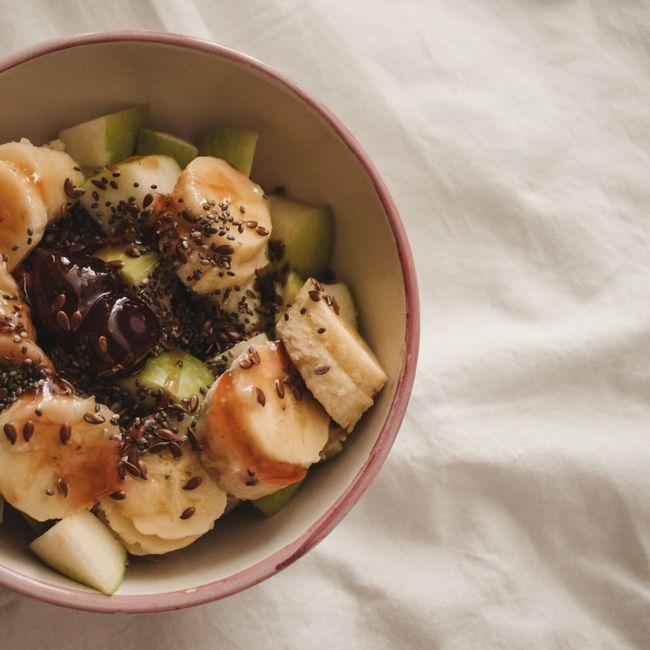
Another helpful tip is to prioritize hydration. Drinking plenty of water throughout the day makes fiber work more effectively.Pair your fiber-rich meals with a glass of water or herbal teas. Foods like oats, chia seeds, and flaxseeds are also fantastic options-they not only add fiber but also help lubricate your digestive tract. For added convenience, look for products like fiber supplements or naturally moist foods on Amazon, such as pre-cut vegetables or ready-to-eat fruit cups, to simplify your routine and keep your digestive system happy.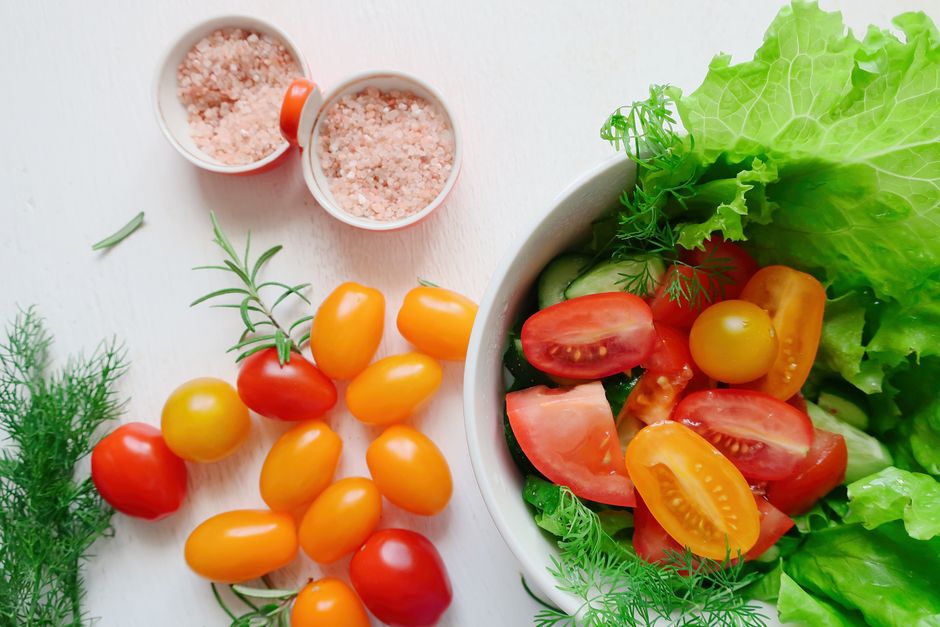
Q&A
Q1: What foods are best to help soften my stool and improve comfort?
A: Incorporating high-fiber foods such as ripe fruits (like apples, pears, and berries), vegetables (such as carrots, broccoli, and leafy greens), and whole grains (like oats, brown rice, and whole wheat bread) can naturally help soften your stool. These foods add bulk and moisture, easing bowel movements.
Q2: How do drinks fit into stool softening? Are ther any particularly good beverages?
A: yes! Water is your best ally-staying well-hydrated is crucial for softening stool. You might also consider warm beverages like herbal teas or warm lemon water, which can stimulate digestion. Additionally, natural fruit juices like prune or apple juice contain sorbitol, a sugar alcohol that can gently promote bowel movements.
Q3: Are there any foods I should avoid if I want to prevent constipation and discomfort?
A: Limit intake of highly processed, low-fiber foods such as fast food, white bread, and sugary snacks. Excessive dairy and red meat can also contribute to constipating effects in some individuals. Reducing these can help improve your stool consistency.
Q4: Can certain foods cause discomfort even if they soften stool?
A: Yes. For example, excessive fiber suddenly introduced can cause bloating or gas, and some people may find that certain vegetables like cabbage or beans cause discomfort. It’s important to increase fiber gradually and observe how your body responds.
Q5: Are natural remedies or supplements effective for stool softening?
A: Some natural remedies like prunes, flaxseeds, and chia seeds are known for their mild laxative effects owing to their high fiber and sorbitol content. over-the-counter fiber supplements like psyllium husk can also be effective-they help bulk up and soften stool when taken with ample water.
Q6: How can I combine foods and drinks for the best results?
A: A balanced approach of fiber-rich foods,adequate hydration,and moderate physical activity is key. For example, enjoy a bowl of oatmeal topped with berries and a glass of water in the morning, then snack on a handful of almonds or a banana later. Consistency matters more than intensity.
Q7: When should I see a healthcare professional about stool or discomfort issues?
A: If dietary and lifestyle adjustments don’t alleviate discomfort within a few days, or if you experience severe pain, blood in stool, or persistent constipation, consult a healthcare professional. Persistent issues may require personalized treatment.
Q8: Are there any lifestyle habits that can enhance the effectiveness of these foods?
A: Absolutely! Regular physical activity encourages healthy bowel movements, and establishing a consistent bathroom routine can also be beneficial. Avoid ignoring the urge to go and aim for a relaxed, unhurried habitat.
Q9: What’s the takeaway for feeling comfortable and maintaining healthy digestion?
A: Incorporate a variety of fiber-rich foods and stay well-hydrated, introduce new foods gradually, and keep active. Small,consistent lifestyle choices can lead to critically important improvements in stool softness and overall comfort.
The Conclusion
In the journey toward comfort and digestive ease, choosing foods that gently soften your stool can make all the difference. Remember, a balanced diet rich in fiber, hydration, and mindful eating habits are your allies in cultivating a smoother, more comfortable experience. as with any health-related change, consult with a healthcare professional to tailor these strategies to your unique needs. Here’s to nourishing your body wisely and embracing days filled with gentle relief and well-being.